



Author: Randall Barranco

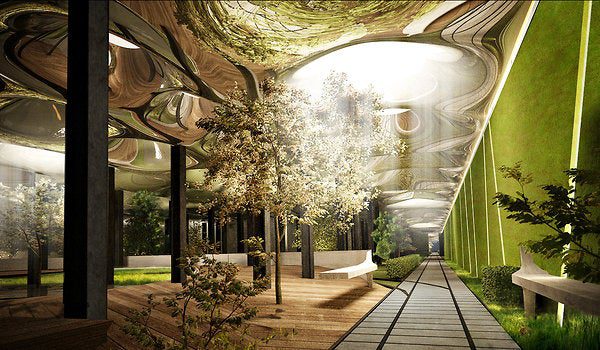
We wrote about the LowLine park concept a couple months back, but at the time it was just a crazy…
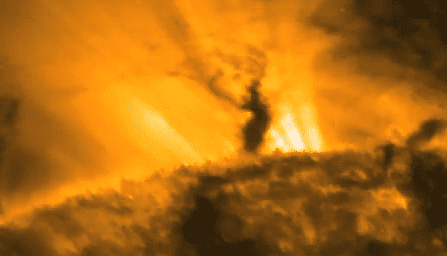
Exactly two years ago, NASA launched a $850 million spacecraft, called the Solar Dynamics Observatory, on a five-year long mission to record high-definition videos of the sun, which should help astronomers better understand its weather cycle and how and how it might affect life on Earth. To celebrate SDO’s 2nd anniversary, NASA has released a […]
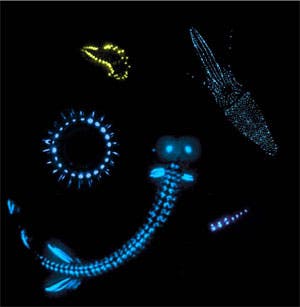
I recently came across this TED presentation, and I can honestly say it is one of the most amazing things I have ever seen – it totally rocked my world! It shows some truly amazing things happening in deep water regions, and even in shallow waters. I’ll quit my rambling now and just let you […]
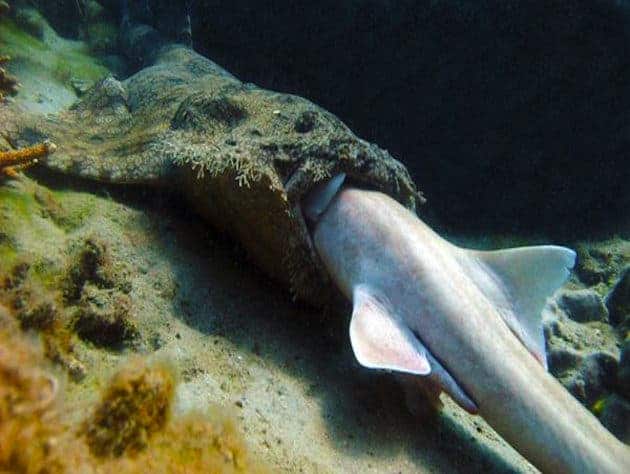
In what is a soon-to-be classic picture taken by National Geographic, a shark is eating another poor shark whole. Daniela Ceccarelli, of Australia’s Research Council Center of Excellence for Coral Reef Studies took the picture, while conducting a “fish census” off Great Keppel Island, part of the country’s Great Barrier Reef. She thought she saw […]

Researchers report that after testing on lab mice an FDA-approved drug, used as treatment for skin cancer, that significant improvements in cognitive recovery were signaled, shinning a new ray of hope for Alzheimer patients. Neuroscientists Case Western Reserve University School of Medicine discovered that bexarotene, a skin cancer drug, remarkably also appears to reverse cognitive […]
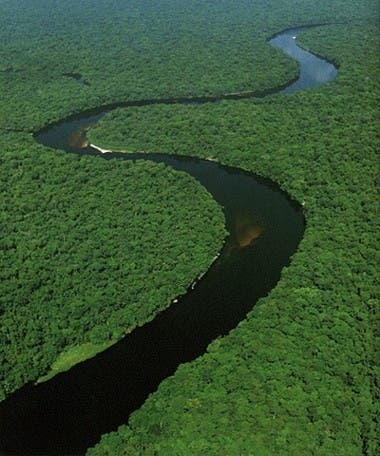
While there are still a lot of climate change skeptics out there that argue that the human influence exerted upon Earth’s climate is minimal, if not non-existent, a myriad of research studies tackling the subject would say otherwise. Fossil fuels usage yields the most greenhouse gas into the atmosphere, out of all other human-induced pollutant […]
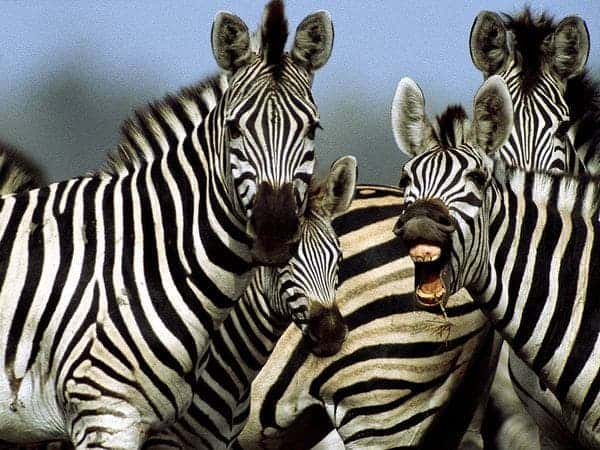
The leading theory that explains why zebras are striped (remember the age old riddle? black stripes on white or white stripes on black?) is because it offers them protection against predators, by providing camouflage, as colour blind animals confuse the strips with tall grass in the savanna. A team of researchers from Hungary, however, offer a different, […]
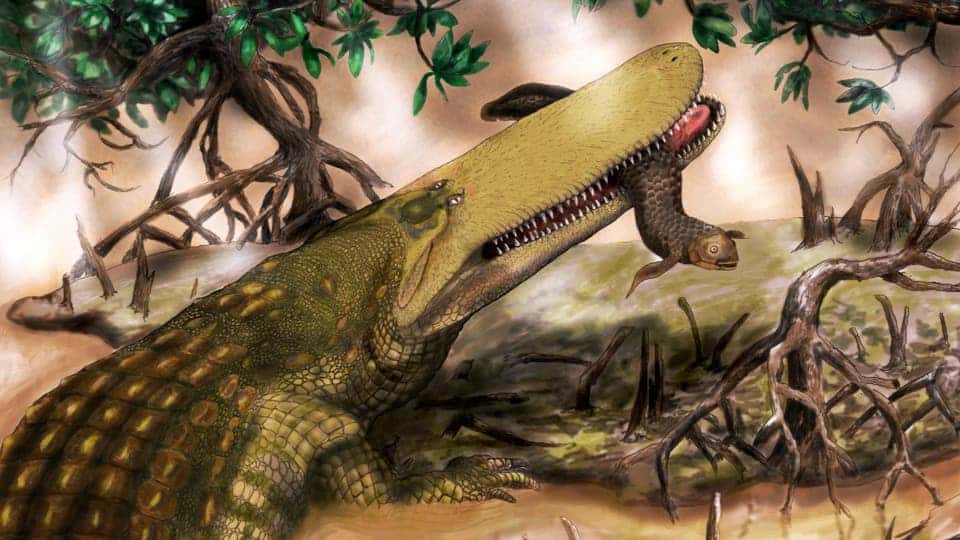
Casey Holliday, a University of Missouri researcher, was looking through some of the hundreds of unlabeled items kept in a storage facility when he come about a remarkable find – a skull fragment from an ancient croccodile, dating back from the late Cretaceous, around 95 million years ago. What’s really interesting about the find is […]
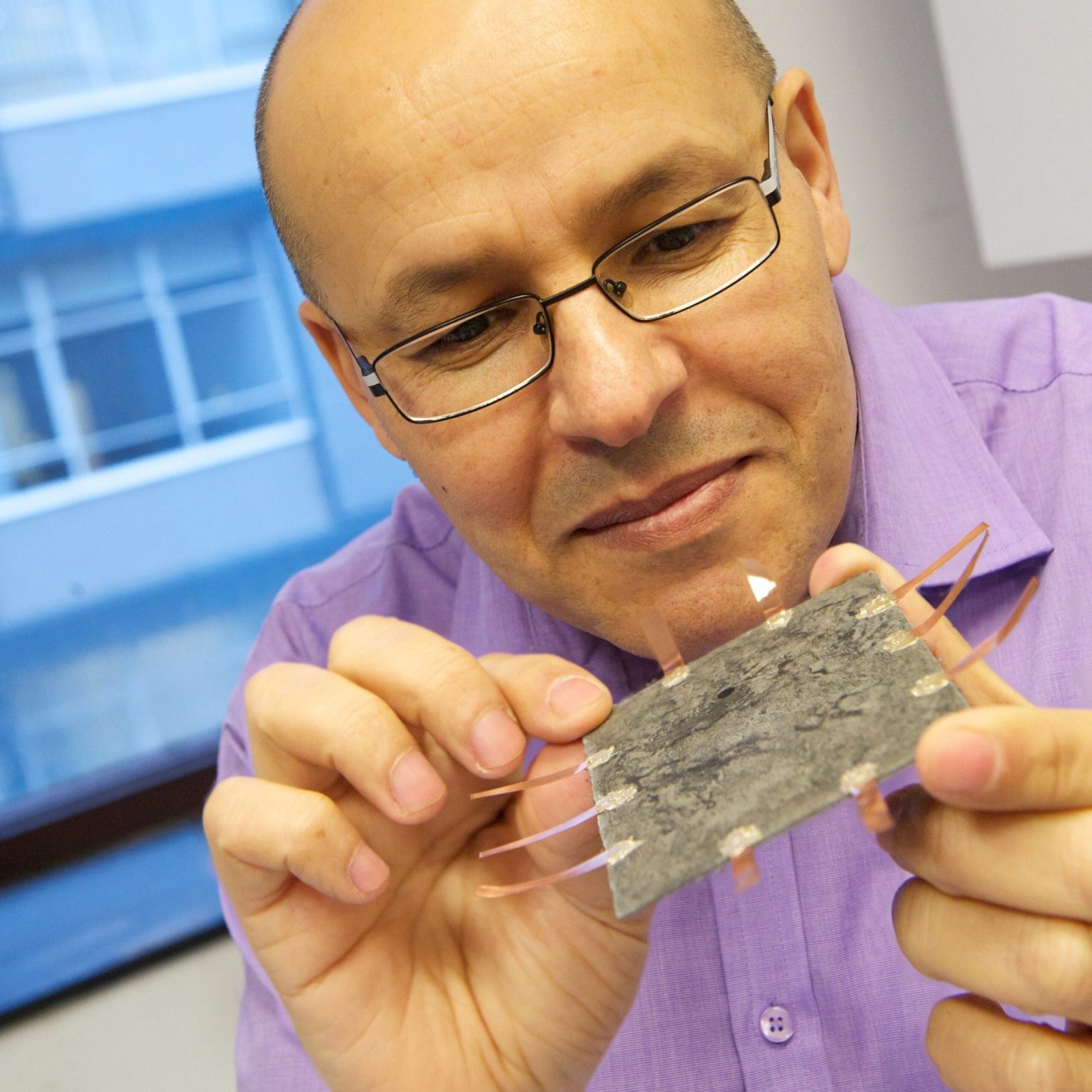
A new paint made of power plant waste and carbon nanotubes can automatically detect structural faults, alerting authorities before damage…

A team of researchers, lead by itch expert Gil Yosipovitch, have studied which parts of the body produce the most pleasure when scratched, and found that scratch relief varies along different areas of the body. If you believe this study is totally irrelevant or useless, Yosipovitch believes otherwise and explains how the science of itching […]
