



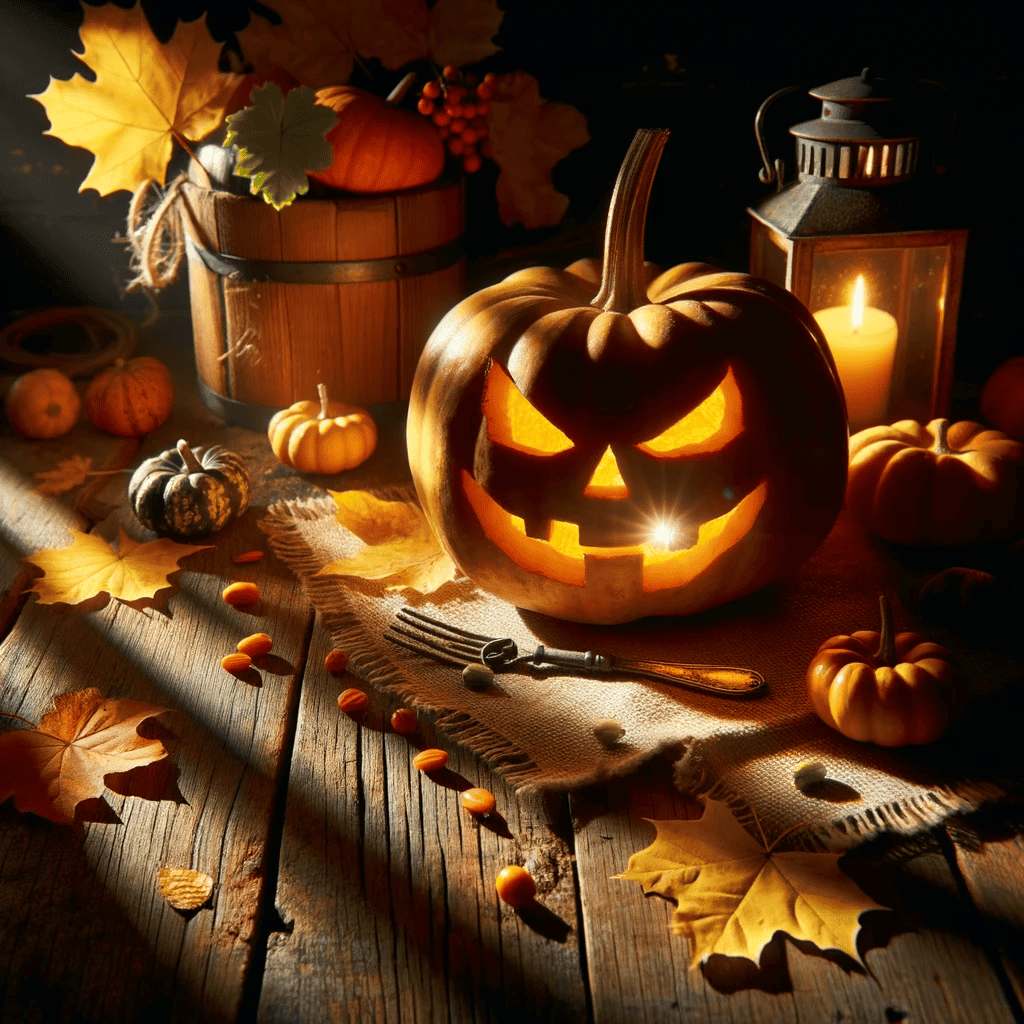
The origin of Halloween is as mysterious and intriguing as it gets. Halloween, a night where magic and mystery intertwine, beckons with tales of phantoms, ancient rituals, and playful frights. But beneath the costumes, candy, and carved pumpkins, the history of Halloween hides a more worldly side that evolved with various cultures.
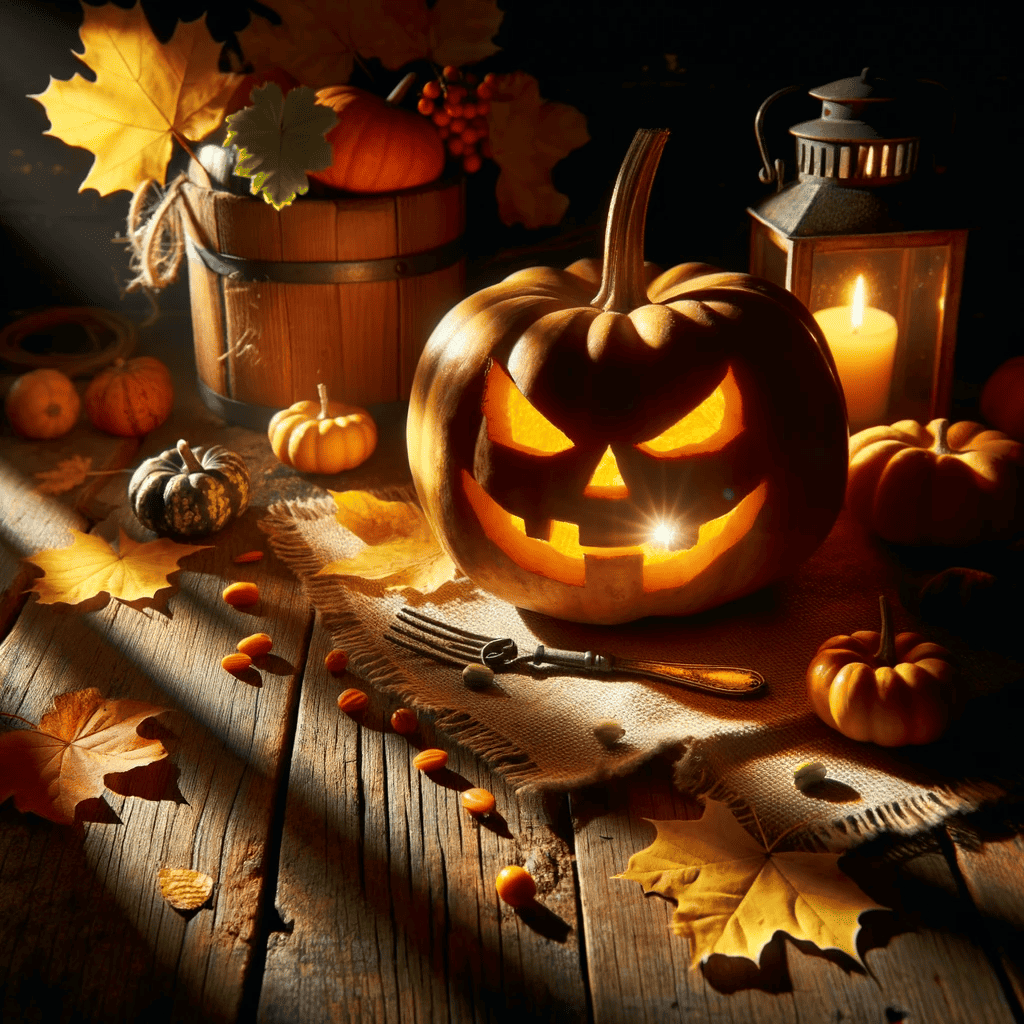
The holiday celebrates everything spooky and mysterious, but it has its origins deeply embedded in historical celebrations. It’s most popular in the US, but Halloween is also popular in Europe, especially in the UK and Ireland, where it originated from.
So how did a pagan celebration called Samhain, when the dead would visit the living, and large bonfires were lit in order to prevent evil spirits from doing bad things, turn into pumpkins and treats?
Halloween origins: Samhain
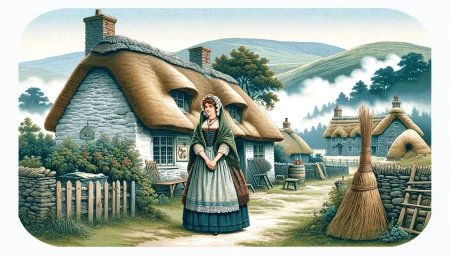
Much of the historical evolution of Halloween is still unclear, but one thing’s for sure: it traces back to the ancient Celtic festival known as Samhain.
Samhain signified the close of the harvest and the onset of winter, marking the commencement of the Celtic New Year.
In Celtic regions, the Druids—religious leaders—observed four significant festivals: Samhain, Oimelc, Beltane, and Lughnasadh. Known as the fire festivals, these events held profound spiritual significance. Fire, to the Celts, symbolized divinity, truth, and beauty. These four festivals marked the change of seasons.
Among these, Samhain was the most revered. It signaled the conclusion of the harvest season and preparations for the forthcoming winter. It was a time of celebration before the start of a challenging period.
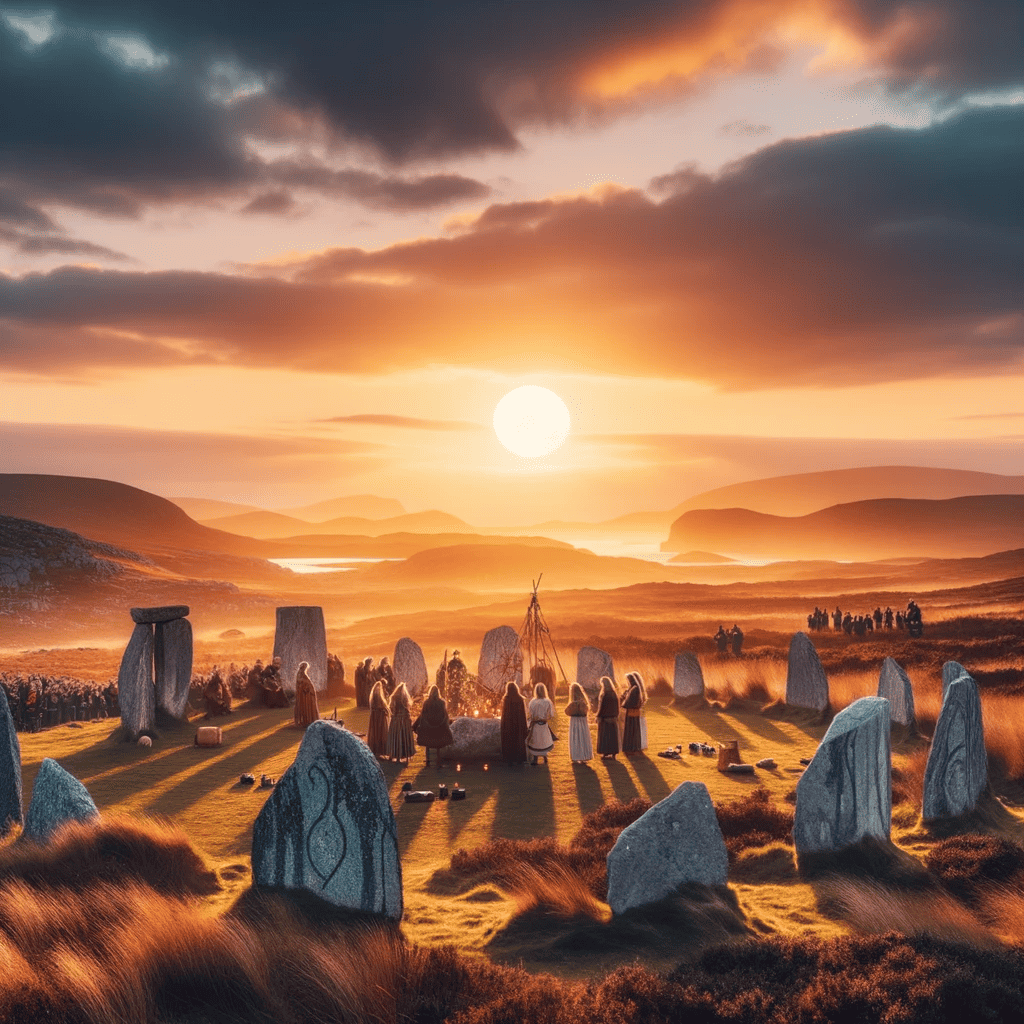
During Samhain, grand bonfires were lit, often with bones of livestock thrown into them. Participants also adorned costumes or masks, either to emulate spirits or to appease them, marking the commencement of the dark, challenging winter months.
Samhain was believed to be a time when the boundary between the living and the dead was blurred. The Celts believed that on this night, spirits and supernatural beings would roam the Earth. They would light bonfires and wear costumes made of animal heads and skins to ward off these spirits.
With the arrival of Christianity in the Celtic regions, the festival of Samhain gradually merged with Christian traditions. The origin of Halloween (or rather, modern Halloween) starts at this moment.
From All Hallow’s Eve to Halloween
The name Halloween comes from All Hallows’ Eve, as it’s the eve of “All Hallows’ Day”, also known as All Saints’ Day. So what started out as a pagan celebration was blended with Christian rituals — and the result was that All Saints’ Day and Halloween became intertwined.
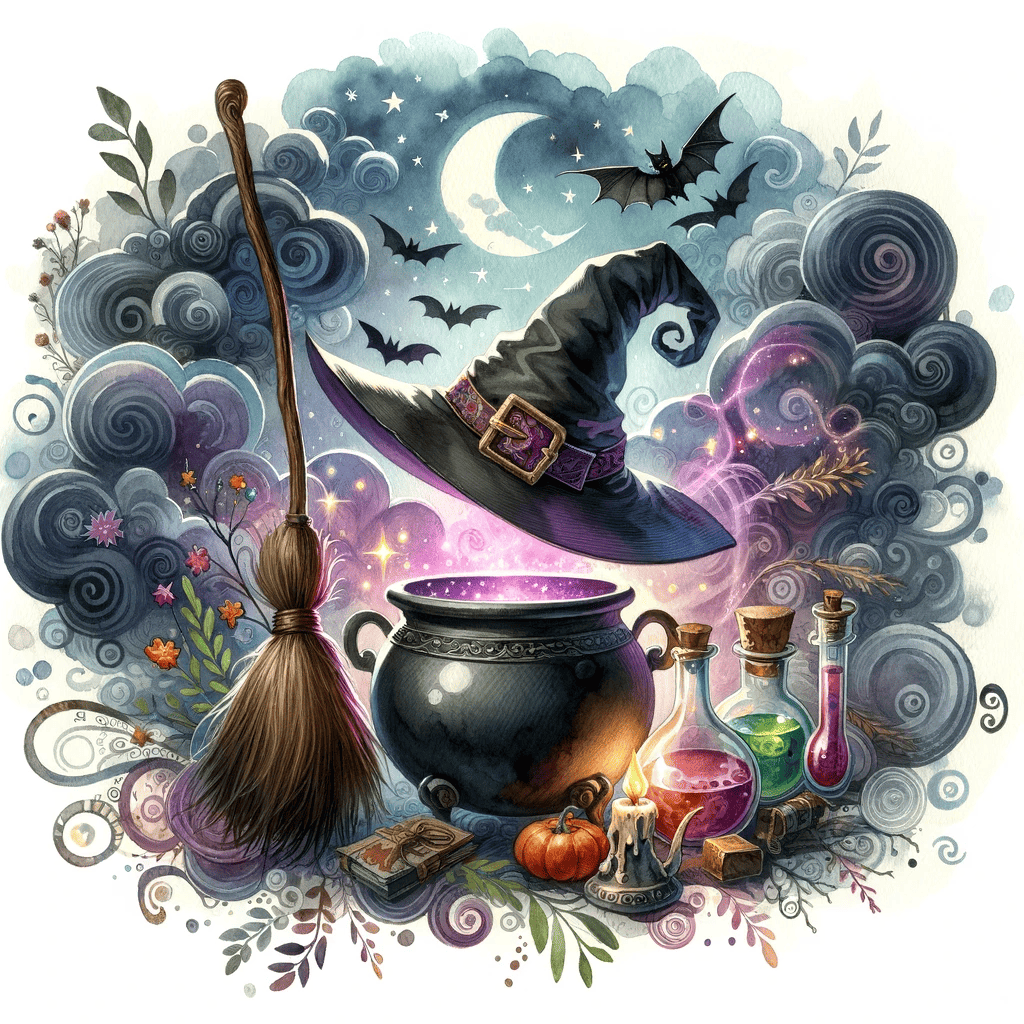
As Christianity spread throughout Europe in the early centuries AD, the Church often sought to assimilate and “Christianize” popular local traditions to make the new religion more palatable and familiar to converts. Pope Gregory III (731–741 AD) designated November 1st as a day to honor all saints and martyrs. This day became known as “All Hallows’ Day” or “All Saints’ Day.” The evening before, which was the traditional night of Samhain, began to be called “All Hallows’ Eve,” which eventually evolved into the term “Halloween.”
To make these new Christian holidays more appealing to pagans, many Samhain traditions were incorporated. For example, the act of dressing up in costumes, originally done to confuse wandering spirits during Samhain, was maintained. Over time, it took on a more Christianized significance, like dressing up as saints, angels, and biblical characters. But in modern times, all sorts of costumes are used — although usually, the scary ones are the most popular.
Over the centuries, Halloween evolved and incorporated various customs from different cultures. When the Irish and Scottish immigrants brought their traditions to America in the 19th century, Halloween began to take on new elements. It became more community-focused with activities such as parades, parties, and trick-or-treating.
Basically, as Christianity expanded and developed throughout Europe and beyond, it absorbed and adapted many of the customs and traditions associated with Samhain. This blending resulted in the modern celebration of Halloween, a fusion of ancient pagan practices and Christian observances.
The origin of Halloween celebrations
Today there are many symbols that surround Halloween, the most well-known being of course the carved pumpkin, also called the jack-o’-lantern.
These lanterns have their origin in Europe, and they were at first carved from turnips. The name also comes from a European legend.
According to myth, a gambling and hard-drinking farmer, called Stingy Jack tricked the devil into climbing a tree and then locked him there by carving a cross on the tree. The devil then tricked him into wandering the night only with what light he had with him, which was of course carved from a turnip.
Originally, people in Ireland and Scotland used turnips or potatoes, carving scary faces into them to ward off evil spirits. When Irish immigrants came to America, pumpkins were readily available and became the preferred medium for carving. Today, it’s much easier to carve in pumpkins and turnips aren’t that popular anymore, so people everywhere mostly use pumpkins.
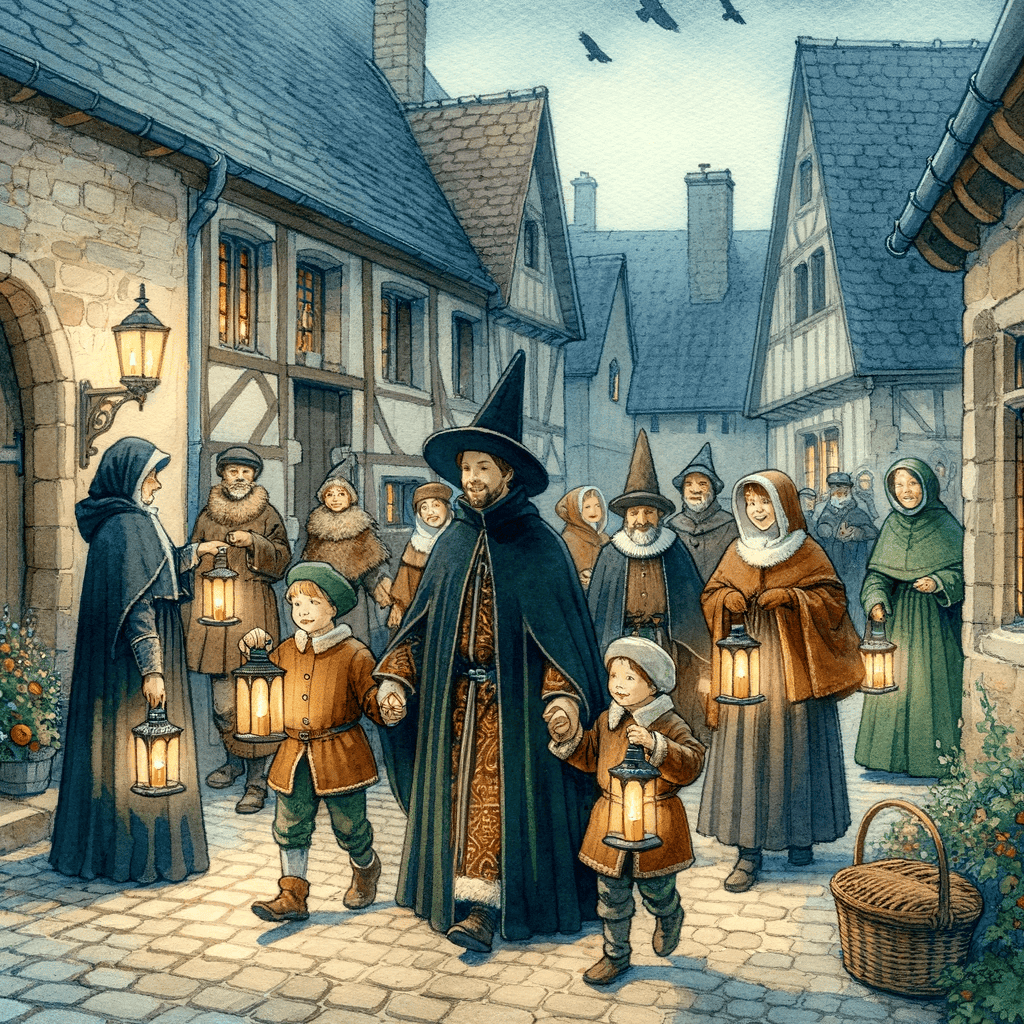
Trick-or-treating, as we know it today, has its roots in the ancient Celtic practice of leaving food offerings at the door to appease roaming spirits. In medieval Europe, on All Souls’ Day, poor people would go door-to-door, receiving food and offerings in exchange for prayers for the dead. This practice, known as “souling,” later blended with Halloween customs, forming the basis for modern-day trick-or-treating.
The dark (environmental) side of Halloween
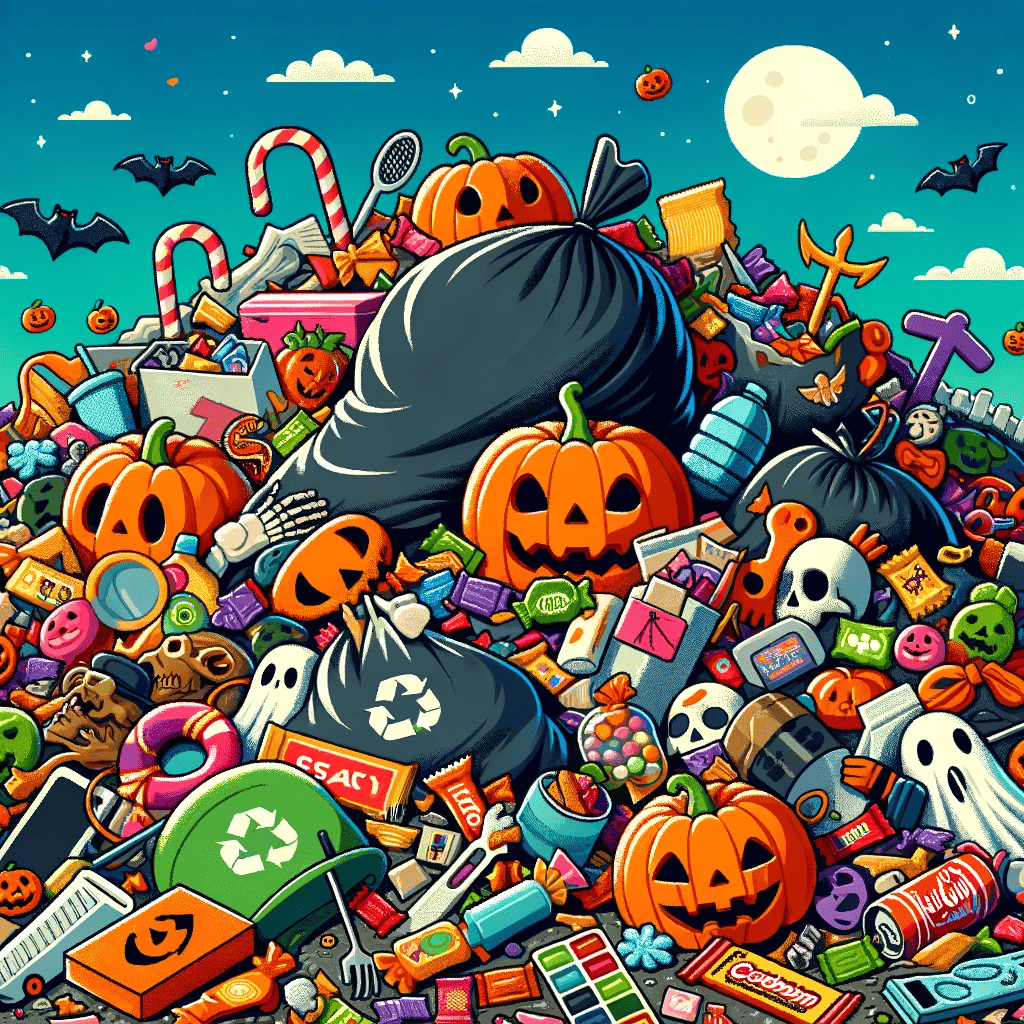
As Halloween continued to be celebrated in the United States, it became more commercialized. There are thematic, Halloween costumes, decorations, and parties. Of course, that’s not bad in and of itself. The problem is that all this creates a lot of pollution and waste. The vast majority of costumes use non-recyclable oil-based plastics. This means they are destined to end up in landfills. Furthermore, many costumes are only used once and discarded. Add in all the waste from sweets and you start to see why this can be a problem.
The industry of home decorations is also booming during Halloween. According to the National Retail Federation, Americans are expected to spend $12.2 billion on Halloween in 2023, up from $10.6 billion in 2022. Of this amount, $3.9 billion is projected to be spent on home decorations.
From biodegradable decorations to costumes made from sustainable materials, there’s a growing movement towards a greener Halloween. But the celebrations still usually lead to a lot of discarded materials. As Halloween continues to expand and become increasingly celebrated, it’s important to also keep an eye on the environmental toll that
From its origin, Halloween has come a long way. In recent years, Halloween is gained popularity in more parts of the world, with traditions and practices often differing based on cultural interpretations. While it may have deviated from its original Celtic roots in many aspects, the essence of Halloween as a time to remember and honor the spirits of the dead remains consistent throughout its historical development. While the origin of Halloween may be ancient, the way we celebrate it can and should evolve to meet the challenges of our modern world. By blending tradition with sustainability, we can ensure that Halloween remains a cherished event for generations to come, without leaving a haunting ecological footprint.
Fun facts and FAQ about Halloween
Halloween originated from the ancient Celtic festival of Samhain, where people lit bonfires and wore costumes to ward off ghosts.
Wearing costumes dates back to the Celtic tradition of dressing up to confuse spirits and ghosts, preventing them from recognizing the living.
The tradition of carving pumpkins comes from an Irish myth about a man named “Stingy Jack.” People carved turnips and placed a light inside to keep Jack’s spirit away. When the tradition came to America, pumpkins were more abundant than turnips, so pumpkins were used instead.
Trick-or-treating has its roots in the medieval practice of “souling,” where the poor would go door to door, offering prayers for the deceased in exchange for food or money.
The spread of Halloween can be attributed to Irish and Scottish immigrants bringing their traditions to North America in the 19th century. Its popularity grew, and it was gradually adopted by various cultures worldwide.
While candy consumption is the obvious concern (with dental health and sugar intake), other precautions include ensuring costume safety (avoiding tripping hazards or masks that obstruct vision) and being cautious on roads due to increased pedestrian activity.
Black cats were often linked with witches in medieval times, believed to be their familiars or magical helpers. This association has made them a staple of Halloween imagery.